
Best Time to Visit Djibouti
Choosing the right time to visit Djibouti significantly impacts your experience. The country has an arid desert climate with distinct seasons that affect comfort, activities, and pricing.
Cool Season (November to February):
This is the best time to visit Djibouti. Temperatures are more moderate, ranging from 25 to 30 degrees Celsius during the day. The cooler weather makes sightseeing, hiking, and outdoor activities much more enjoyable. This is also peak tourist season, so book accommodation and tours in advance.
Hot Season (March to May):
Temperatures begin to climb, often reaching 35-40 degrees Celsius. The heat can be intense, especially for outdoor activities. If visiting during this period, plan activities for early morning or late afternoon when temperatures are cooler.
Summer (June to August):
The hottest months with temperatures frequently exceeding 40 degrees Celsius. Outdoor activities during midday are not recommended due to extreme heat and risk of heat-related illness. This is low season, offering lower prices but challenging conditions.
Diving Season (October to January):
The best visibility for diving and snorkeling in the Gulf of Tadjoura occurs during these months. Whale shark season typically runs from October to January, attracting divers from around the world. Water temperatures are comfortable, and marine life is abundant.
Top Attractions in Djibouti
Despite its small size, Djibouti offers remarkable natural wonders and unique experiences:
Lake Assal:
The lowest point in Africa and one of the saltiest bodies of water on Earth, Lake Assal sits 155 meters below sea level. The stark white salt flats surrounding the turquoise lake create an otherworldly landscape. It is one of Djibouti’s most iconic attractions and a must-see for visitors.
Lake Abbe:
A surreal landscape of limestone chimneys and steam vents, Lake Abbe sits on the border with Ethiopia. The area is home to traditional Afar nomadic communities and offers a glimpse into a way of life that has endured for centuries. The dramatic rock formations make for incredible photography.
Day Forest National Park:
A surprising oasis of green in the arid landscape, Day Forest National Park is home to Djibouti’s only forest. The park supports diverse wildlife including antelopes, birds, and reptiles. Hiking trails offer panoramic views of the surrounding terrain.
Gulf of Tadjoura:
The warm waters of the Gulf of Tadjoura are renowned for marine biodiversity. Diving and snorkeling reveal coral reefs, tropical fish, manta rays, and during season, whale sharks. Several dive operators offer excursions from Djibouti City and the coastal town of Tadjoura.
Djibouti City:
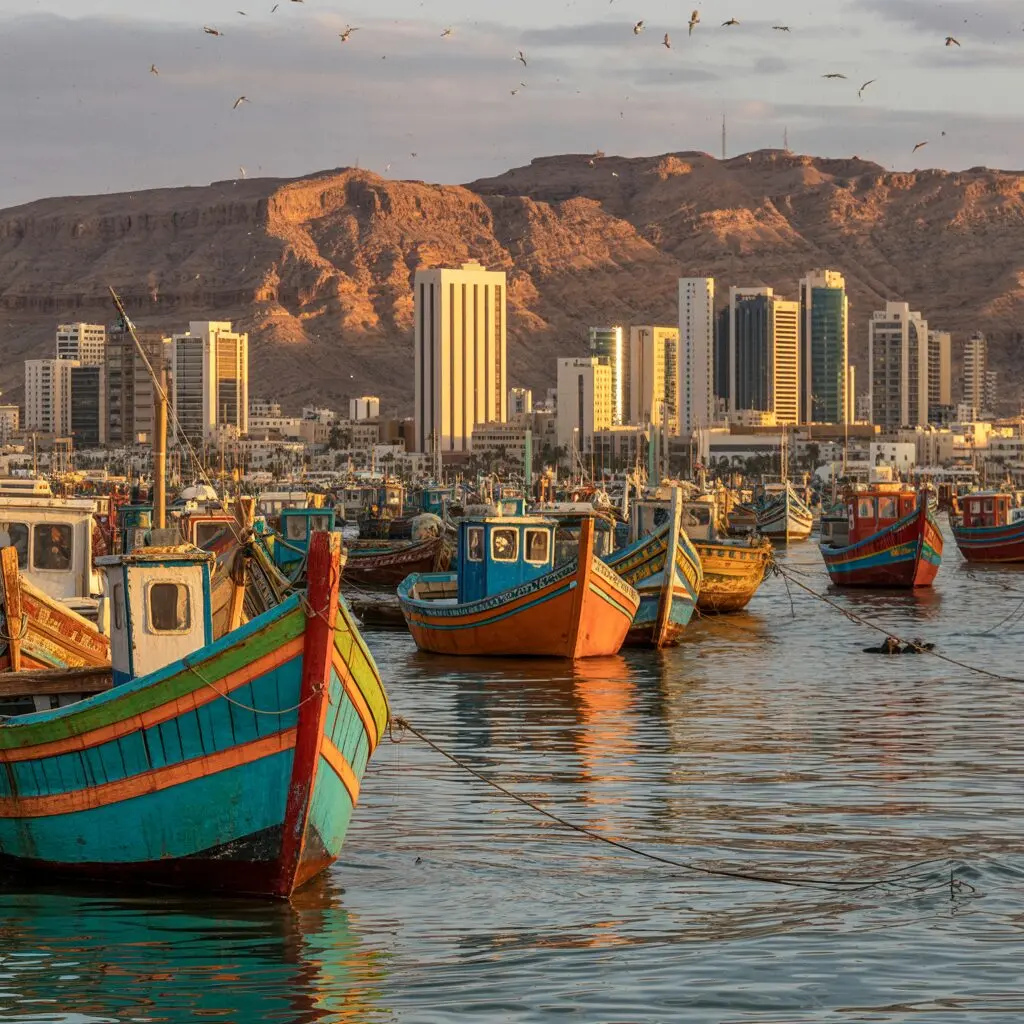
The capital city offers a blend of French colonial architecture, bustling markets, and modern development. The Central Market is a sensory experience with spices, textiles, and local crafts. The waterfront area provides pleasant walks and seafood restaurants.
Moucha Island:
A small island accessible by boat from Djibouti City, Moucha Island offers pristine beaches, clear waters, and excellent snorkeling. It makes for a perfect day trip or overnight camping excursion.
Getting to Djibouti
Reaching Djibouti is relatively straightforward with several transportation options:
By Air:
Djibouti-Ambouli International Airport (JIB) is the main gateway to the country. Airlines serving Djibouti include:
- Ethiopian Airlines (connections via Addis Ababa)
- Air Djibouti (regional flights)
- Turkish Airlines (via Istanbul)
- Kenya Airways (via Nairobi)
- FlyDubai (via Dubai)
Direct flights from Europe and North America are limited, so most travelers connect through Addis Ababa, Dubai, or Istanbul. Flight prices vary significantly by season, with the cool season (November-February) being the most expensive.
By Land:
Djibouti shares borders with Ethiopia, Eritrea, and Somalia. The most common overland route is from Ethiopia, with regular bus and minibus services operating between Addis Ababa and Djibouti City. The journey takes approximately 10-12 hours by road.
By Sea:
Port facilities in Djibouti handle cargo and some passenger vessels. Occasional ferry services connect Djibouti with Yemen across the Bab el-Mandeb strait, though availability varies based on regional security conditions.
Visa for Arrival:
Ensure your eVisa is approved before traveling. Airlines may check for valid visas before allowing boarding. Have a printed or digital copy of your approved eVisa ready for presentation at check-in and immigration.
Transportation Within Djibouti
Getting around Djibouti requires some planning, as public transportation options are limited:
Taxis:
Taxis are the most common form of transport within Djibouti City. They are relatively affordable, but always agree on a fare before starting your journey as meters are rarely used. Shared taxis (called djib-buses) operate on fixed routes and are the cheapest option.
Car Rental:
Renting a car with a driver is recommended for exploring outside the capital. Self-driving is possible but not advised due to poor road conditions in many areas, lack of signage, and the challenging desert environment. Reliable 4WD vehicles are essential for remote areas.
Domestic Flights:
Limited domestic flight options exist, primarily serving remote areas. These are infrequent and expensive but can save significant travel time for distant destinations.
Boats:
Boat transport is available for reaching islands like Moucha Island and for some coastal destinations. Fishing boats can sometimes be hired for coastal excursions, though dedicated tourist boats offer more comfort and safety.
Walking:
Within Djibouti City, many attractions in the central area are within walking distance. However, the heat makes extended walking uncomfortable during the middle of the day. Walk during early morning or late afternoon.
Accommodation Options
Djibouti offers a range of accommodation to suit different budgets:
Luxury Hotels:
Djibouti City has several international-standard hotels offering comfortable rooms, restaurants, pools, and business facilities. Prices range from $100-250 USD per night. These hotels provide the most reliable comfort and service standards.
Mid-Range Hotels:
Several mid-range options offer good value with clean rooms and basic amenities. Prices typically range from $50-100 USD per night. Quality varies, so check recent reviews before booking.
Budget Accommodation:
Budget hotels and guesthouses are available in Djibouti City, though options are limited. Prices range from $20-50 USD per night. Facilities are basic but generally clean. Hot water and air conditioning may not always be available.
Eco-Lodges:
Near natural attractions like Lake Assal and the diving areas, eco-lodges offer unique accommodation in natural settings. These range from basic camping to comfortable bungalows. Prices and quality vary significantly.
Camping:
Camping is possible in some areas, particularly near the coast and national parks. Bring your own equipment and supplies. Wild camping should be done with caution due to the remote environment and potential wildlife.
Safety and Health Tips
Staying safe and healthy in Djibouti requires preparation and awareness:
General Safety:
Djibouti is generally safe for tourists, with a stable government and significant foreign military presence. However, exercise normal precautions:
- Avoid walking alone at night in unfamiliar areas
- Keep valuables secure and out of sight
- Use reputable transportation services
- Stay aware of your surroundings, especially in crowded areas
Health Precautions:
- Drink only bottled or purified water
- Protect yourself from the intense sun with sunscreen, hat, and light clothing
- Carry sufficient medications for your trip plus extras
- Ensure routine vaccinations are up to date
- Consider hepatitis A/B, typhoid, and rabies vaccinations
- Use antimalarial medication as recommended by your doctor
Heat Safety:
Djibouti’s heat can be extreme. Stay hydrated by drinking plenty of water throughout the day. Avoid prolonged exposure to the sun during peak hours (10 AM – 4 PM). Recognize symptoms of heat exhaustion and heat stroke.
Emergency Contacts:
Keep emergency contact numbers accessible, including your embassy, local emergency services, and your travel insurance provider. Know the location of the nearest hospital or medical facility to your accommodation.
Local Customs and Etiquette
Respecting local customs enhances your experience and shows respect for Djiboutian culture:
Dress Code:
Djibouti is a predominantly Muslim country. Dress modestly, especially when visiting religious sites, markets, and rural areas. Women should cover shoulders and knees. Men should avoid shorts in formal or religious settings.
Photography:
Always ask permission before photographing people, especially women. Some government buildings and military installations prohibit photography. Respect signs and restrictions.
Greetings:
Greetings are important in Djiboutian culture. A handshake is the common greeting between men. Use your right hand for greetings, eating, and giving or receiving items. Learn a few words of French or Arabic – locals appreciate the effort.
Bargaining:
Bargaining is expected in markets and with taxi drivers. Start at about half the asking price and negotiate from there. Be friendly and respectful during the process. Fixed-price shops and restaurants do not typically negotiate.
Alcohol:
While Djibouti is Muslim, alcohol is available in some hotels and restaurants in Djibouti City. Be discreet when consuming alcohol and avoid public drunkenness, which is considered disrespectful.
What is the best time of year to visit Djibouti?
The best time to visit is during the cool season from November to February, when temperatures are comfortable for sightseeing and outdoor activities. For diving and whale shark watching, visit between October and January. Avoid the extreme heat of June through August unless you are prepared for temperatures over 40 degrees Celsius.
What are the must-see attractions in Djibouti?
Top attractions include Lake Assal (the lowest point in Africa), Lake Abbe (with its dramatic limestone chimneys), Day Forest National Park, the Gulf of Tadjoura (for diving and whale sharks), Djibouti City’s Central Market, and Moucha Island for beaches and snorkeling.
Is Djibouti safe for tourists?
Djibouti is generally safe for tourists. The country has a stable government and hosts several foreign military bases. Exercise normal precautions: avoid walking alone at night, keep valuables secure, and use reputable transportation. The main tourist areas are well-patrolled and welcoming.
How do I get to Djibouti?
The main gateway is Djibouti-Ambouli International Airport (JIB), served by Ethiopian Airlines, Turkish Airlines, Kenya Airways, and others. Most travelers connect through Addis Ababa, Dubai, or Istanbul. Overland travel from Ethiopia is also possible by bus (10-12 hours from Addis Ababa).
What currency is used in Djibouti?
The Djiboutian franc (DJF) is the local currency. US dollars are widely accepted in hotels, restaurants, and larger shops. Credit cards are accepted at major establishments but carry cash for markets, taxis, and smaller businesses. ATMs are available in Djibouti City.
Do I need a visa to visit Djibouti?
Yes, nearly all foreign nationals need a visa to enter Djibouti. The eVisa is the recommended method – apply online at evisa.djibouti.gov.dj. Visa on arrival may be available but applying in advance ensures smoother entry.
What language is spoken in Djibouti?
French and Arabic are the official languages. Somali and Afar are widely spoken as local languages. English is limited but understood in some tourist areas and international hotels. Learning a few basic phrases in French or Arabic is appreciated by locals.
What should I pack for a trip to Djibouti?
Pack lightweight, breathable clothing that covers shoulders and knees for modesty. Include strong sunscreen, a wide-brimmed hat, sunglasses, comfortable walking shoes, and a reusable water bottle. For diving or snorkeling, bring or rent appropriate gear. Carry any medications you need as pharmacy options are limited.
Can I drink tap water in Djibouti?
No, do not drink tap water in Djibouti. Always drink bottled or purified water. Use bottled water for brushing teeth as well. Ice in drinks may be made from tap water, so ask before consuming. Stay well-hydrated in the hot climate but ensure your water source is safe.